
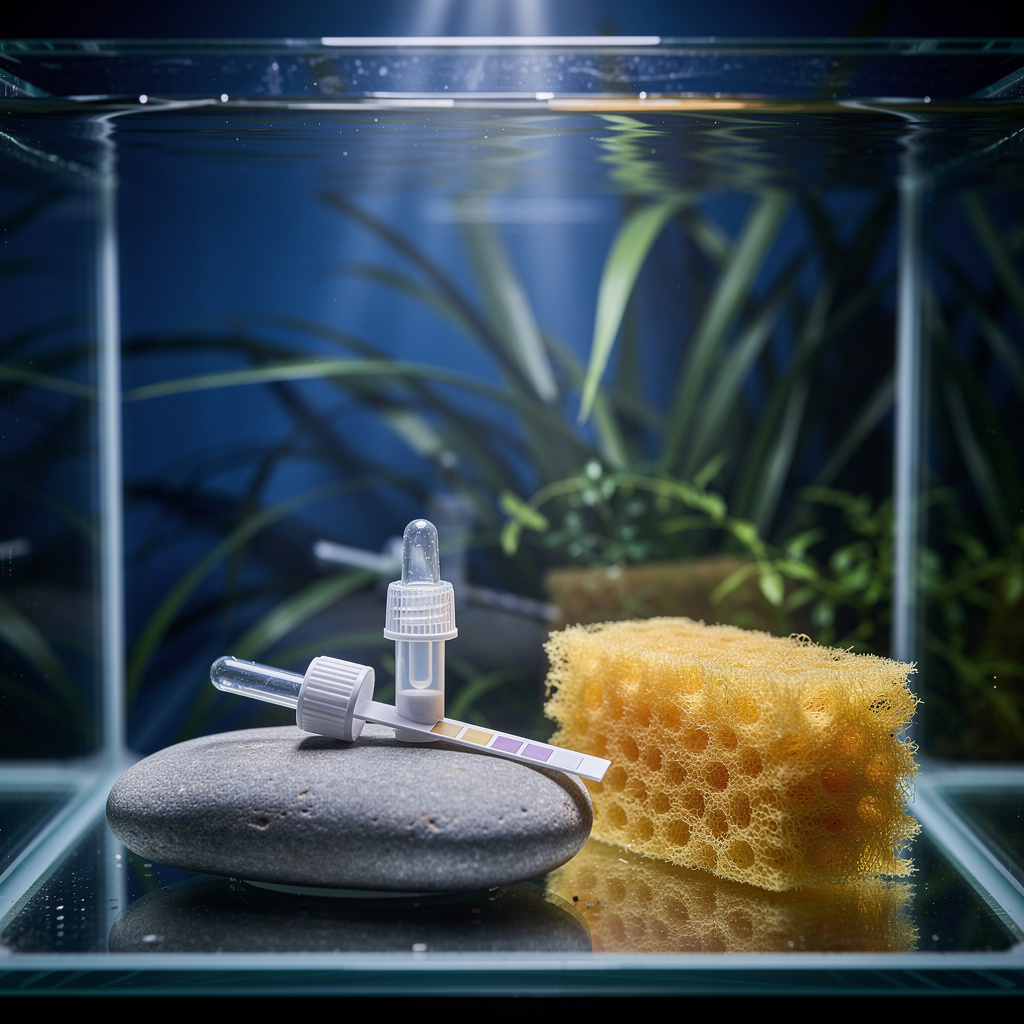
Maintaining stable water parameters is the cornerstone of a successful fishkeeping hobby. Even the most beautiful aquarium can become a hazard if the chemistry is off‑balance. This article explains the four key parameters—pH, ammonia, nitrite, and nitrate—what they mean for your fish, and how to keep them within safe ranges.
pH: The Measure of Acidity
Most tropical freshwater fish thrive in a pH range of 6.5‑7.5. A sudden shift can cause stress, leading to disease. Use a reliable pH test kit to monitor weekly. If the pH drifts, consider these adjustments:
- Raise pH with crushed coral or a few drops of commercial pH‑up solution.
- Lower pH with peat moss or specialized pH‑down products.
- Maintain stable water changes; drastic changes can cause pH spikes.
Ammonia: The Toxic Byproduct
Ammonia (NH₃) originates from fish waste and uneaten food. Even 0.25 ppm can be lethal to sensitive species. Beneficial bacteria in a cycled tank convert ammonia to nitrite, but during the cycling phase or after a power outage, ammonia can accumulate.
To control ammonia:
- Do not over‑feed. Remove excess food after 5 minutes.
- Perform regular water changes (25 % weekly) to dilute any buildup.
- Consider an ammonia‑binding product like Seachem AmGuard in emergencies.
Nitrite: The Intermediate
Nitrite (NO₂⁻) is less toxic than ammonia but still harmful above 0.5 ppm. Like ammonia, it is processed by bacterial colonies into nitrate. A sudden rise in nitrite typically indicates a malfunctioning filter or an immature bio‑filter.
Solutions:
- Check filter media for clogging; rinse or replace as needed.
- Boost bacterial colonies with a commercial starter like Stablefloc.
- Increase water flow to improve oxygen levels, which help bacteria thrive.
Nitrate: The End Product
Nitrate (NO₃⁻) is the final, relatively harmless product of the nitrogen cycle, but high levels (>40 ppm) can lead to algae blooms and weakened fish immune systems. Regular water changes, live plants, and a good substrate vacuum keep nitrates in check.
Additional nitrate‑control methods:
- Introduce fast‑growing plants like hornwort or duckweed.
- Use a nitrate‑reducing filter media such as Seachem Matrix.
- Limit feeding to 2‑3% of fish body weight per day.
Testing and Record‑Keeping
Invest in a reliable test kit (e.g., API Freshwater Master Test Kit). Keep a simple spreadsheet logging weekly readings for pH, ammonia, nitrite, and nitrate. Over time you’ll spot trends and intervene before problems arise.
Final Checklist for a Healthy Tank
- Test water weekly and record results.
- Maintain temperature stability (24‑26 °C for most tropical fish).
- Perform 20‑30 % water changes weekly.
- Keep filter media clean and replace as recommended.
- Feed sparingly and remove uneaten food promptly.
By understanding and managing water parameters, you lay the foundation for a vibrant, disease‑free aquarium that will delight you for years.
Leave a Reply