
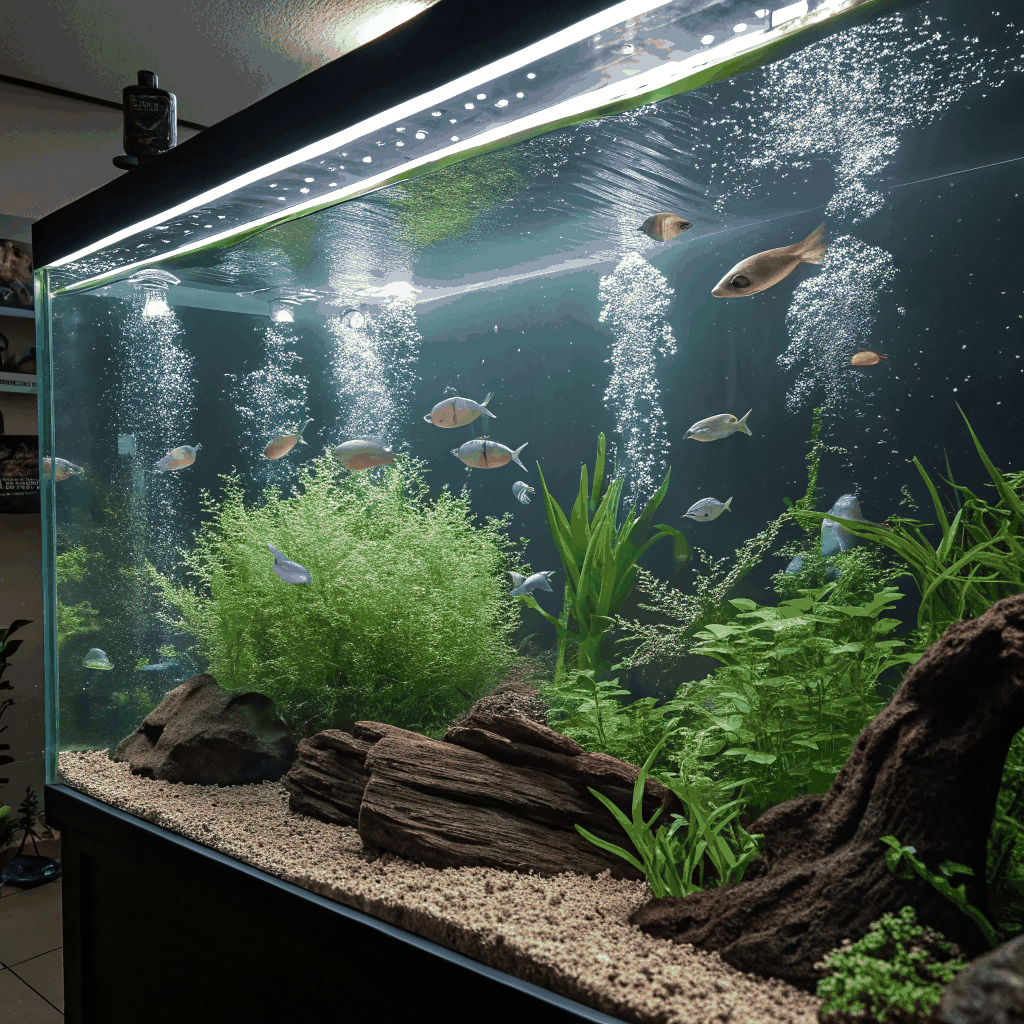
Summer heat can pose challenges for tropical fish owners. Higher ambient temperatures, increased evaporation, and greater sunlight exposure can destabilise water parameters. Below are practical steps to maintain a stable environment and keep your fish thriving.
Monitor Ambient Temperature
Even a well‑insulated aquarium can experience temperature spikes when room temperatures rise above 28 °C (82 °F). Use a thermostat with an automatic shut‑off feature to prevent overheating. If the room gets very hot, consider:
- Placing the tank on a stand away from direct sunlight.
- Using a reflective barrier (e.g., Mylar foil) behind the tank to reduce heat gain.
- Turning on a room fan to improve air circulation.
Adjust Heater Settings
During summer, you may need to lower your heater setting by 1‑2 °C to compensate for the warmer room. Verify the temperature at multiple points with a calibrated aquarium thermometer rather than relying on the heater’s built‑in sensor.
Increase Evaporation Management
Higher temperatures increase water evaporation, which can raise nitrate concentrations and alter salinity for brackish species. Reduce evaporation by:
- Using a tight‑fitting lid or a glass top.
- Adding a surface skimmer to limit wave formation.
- Performing regular 20‑30 % water changes with pre‑treated water to maintain stable chemistry.
Lighting Considerations
Extended daylight hours in summer can lead to excess algae growth. Adjust your lighting schedule to 8‑10 hours per day, using a timer to ensure consistency. If algae becomes a problem, add a small algae‑eating fish like a Siamese algae eater or increase the presence of live plants that compete for nutrients.
Feeding Adjustments
Fish metabolism speeds up in warmer water, but over‑feeding can quickly pollute the tank. Feed slightly smaller portions more frequently, and observe how quickly the fish consume the food. Remove uneaten food after a few minutes to keep water quality high.
Oxygenation Boost
Warm water holds less dissolved oxygen. Increase oxygen levels by:
- Adding an air stone or increasing the flow rate of your filter.
- Running a surface agitation device to promote gas exchange.
Regular Parameter Testing
Test pH, ammonia, nitrite, and nitrate twice a week during peak summer. Small fluctuations are normal, but rapid spikes indicate a problem that needs immediate attention.
Emergency Plan
If the water temperature exceeds 30 °C (86 °F) despite your precautions, be prepared to:
- Transfer fish to a backup tank with a chill box.
- Turn off the heater and increase aeration.
- Contact an experienced hobbyist or local aquarium store for assistance.
By proactively managing temperature, lighting, and water quality, you can enjoy a vibrant, stress‑free summer aquarium that showcases the brilliant colors of tropical fish.
Leave a Reply