
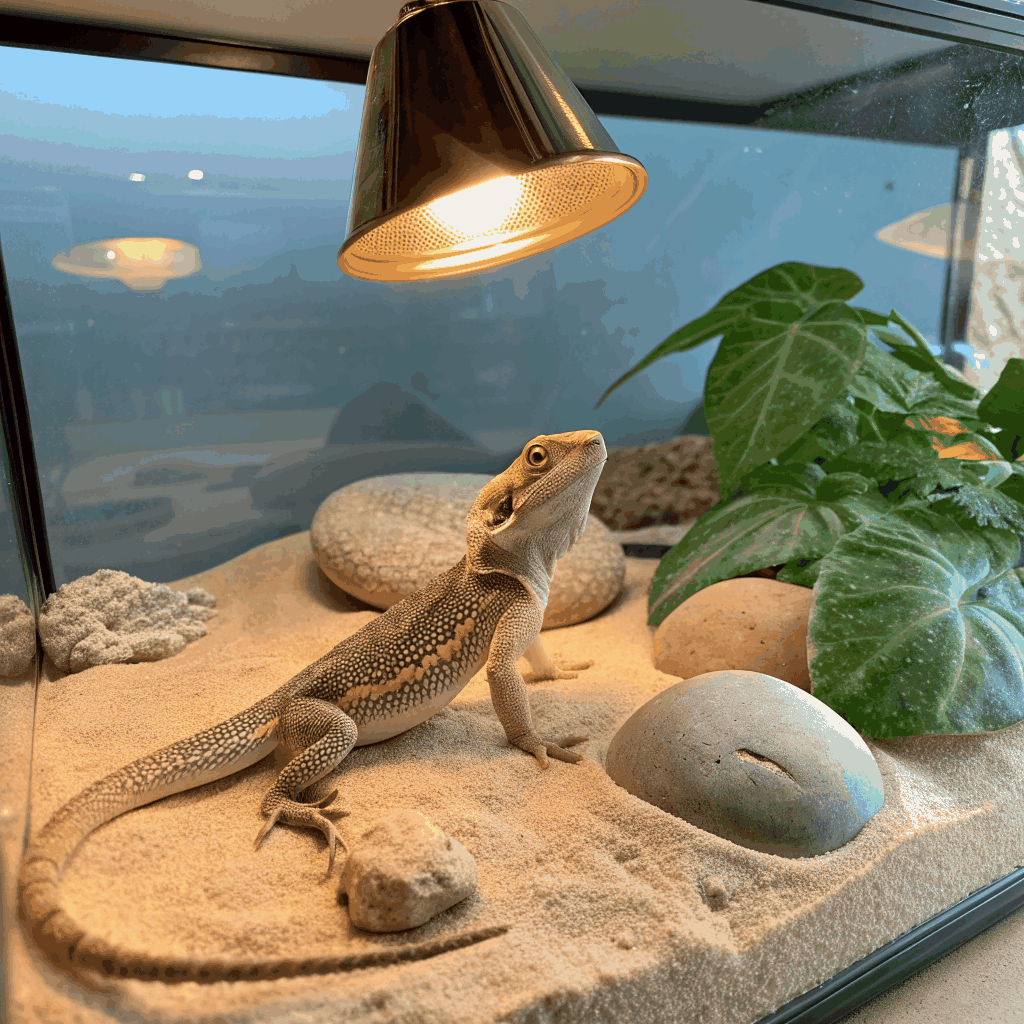
Red Tail bearded dragons are among the most popular pet reptiles in the United Kingdom. Their calm temperament, striking colors, and relatively easy care make them a great choice for both beginners and experienced keepers. This guide walks you through everything you need to know to create a safe, comfortable home and provide proper nutrition for your new companion.
Setting Up the Enclosure
Choosing the right enclosure is the first step. A single adult Red Tail needs at least a 120 cm (48‑inch) long tank, with a minimum floor space of 80 cm × 50 cm. A glass terrarium with a secure screen top is ideal because it retains humidity while allowing airflow.
- Substrate: Use a mix of sand and topsoil or a reptile tile. Avoid loose substrates like pine shavings that can cause impaction.
- Heat: Provide a basking spot that reaches 38‑40 °C (100‑104 °F) using a ceramic heat emitter or a UVB‑integrated basking lamp.
- UVB Lighting: A 10.0 % UVB bulb should be on for 10‑12 hours a day to support calcium metabolism and prevent metabolic bone disease.
- Hides: Offer at least two hides – one on the warm side and one on the cool side – to reduce stress.
Feeding Your Red Tail
Red Tail bearded dragons are omnivorous. Their diet should consist of about 80 % insects and 20 % fresh vegetables for juveniles, shifting gradually toward more plant matter as they mature.
- Insects: Feed gut‑loaded crickets, dubia roaches, or black‑soldier flies. Offer insects 2‑3 times per day for hatchlings, once daily for juveniles, and 2‑3 times per week for adults.
- Vegetables: Provide a rotating selection of collard greens, kale, mustard greens, and squash. Chop vegetables into bite‑size pieces and dust with a calcium supplement.
- Water: Always provide a shallow water dish. Some owners prefer misting the dish daily to encourage drinking.
Health Monitoring and Common Issues
Regular health checks will catch problems early. Watch for the following signs:
- Loss of appetite – could indicate parasites or temperature stress.
- Loose skin or faded colors – may be a sign of inadequate UVB.
- Abnormal shedding – watch for retained skin patches, which can lead to infection.
If you notice any of these signs, contact a reptile‑qualified veterinarian promptly.
Maintenance Tips
Keeping the enclosure clean and the environment stable is essential for long‑term health.
- Spot‑clean waste daily and replace substrate every 3‑4 months.
- Check temperature and humidity with reliable digital thermometers.
- Rotate décor and hide locations every few weeks to provide mental stimulation.
By following these steps, you’ll give your Red Tail bearded dragon a vibrant, healthy life and enjoy many years of fascinating behavior.
Leave a Reply